What Comes First? – The Lunge Line
When you think more closely about the topic of lungeing, you realize that the training of rider and horse begins exactly at the lunge line.
Riders are taught on the lunge line at the start of their careers. There, they can learn the sequences and rhythms of the three basic gaits and the #BASICS of classical riding. They acquire the vocabulary for the language between rider and horse. The various aids, reactions, and the swinging in the middle position are taught on the lunge line.
But not only the beginnings of riders, also the #BABYSTEPS of our beloved four-legged friends take place on the lunge line. Young horses are usually accustomed to the saddle and co on the lunge line. There, they learn the first commands and rules before a rider continues with the young horse training on their back.
What do I need to lunge my horse effectively?
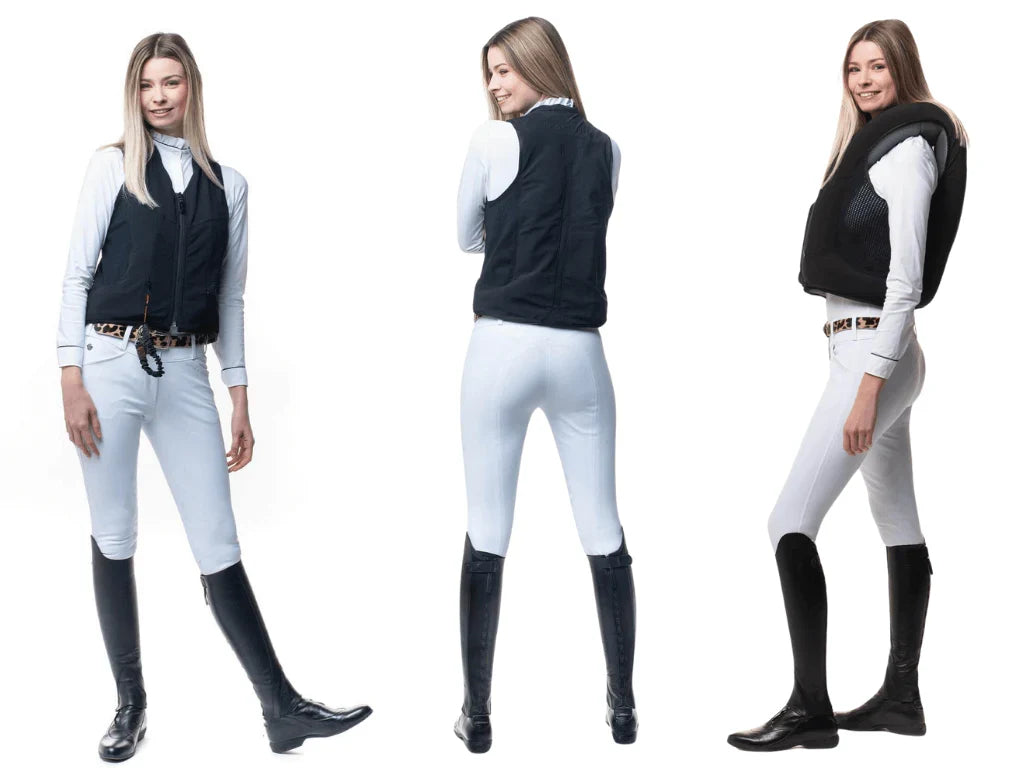
You can work your horse on the lunge line in various ways and with different aids. The prerequisite for a good training session on the lunge line is, of course, the right clothing for the person handling the lunge line. You should always wear sturdy footwear and Gloves to avoid injuries and accidents.
Besides a lunge line, ideally you need a lunge girth and a suitable pad for it.
To be able to apply the driving aids from the ground, a lunge whip is another #ESSENTIAL.
Cavesson or Bridle?
One of the never-ending discussions in equestrian sports. Should you lunge your horse with a bridle or a cavesson?
The criticism of lungeing with a bit is justified: the bit is very unevenly stressed during lungeing and can cause pain to the horse. Trainers who advocate lungeing with a bit argue, however, that especially young horses need to get used to the bit and rein aids to be prepared for later riding.
Our tip: When lungeing with a bridle and bit, you should use a lunge cavesson.
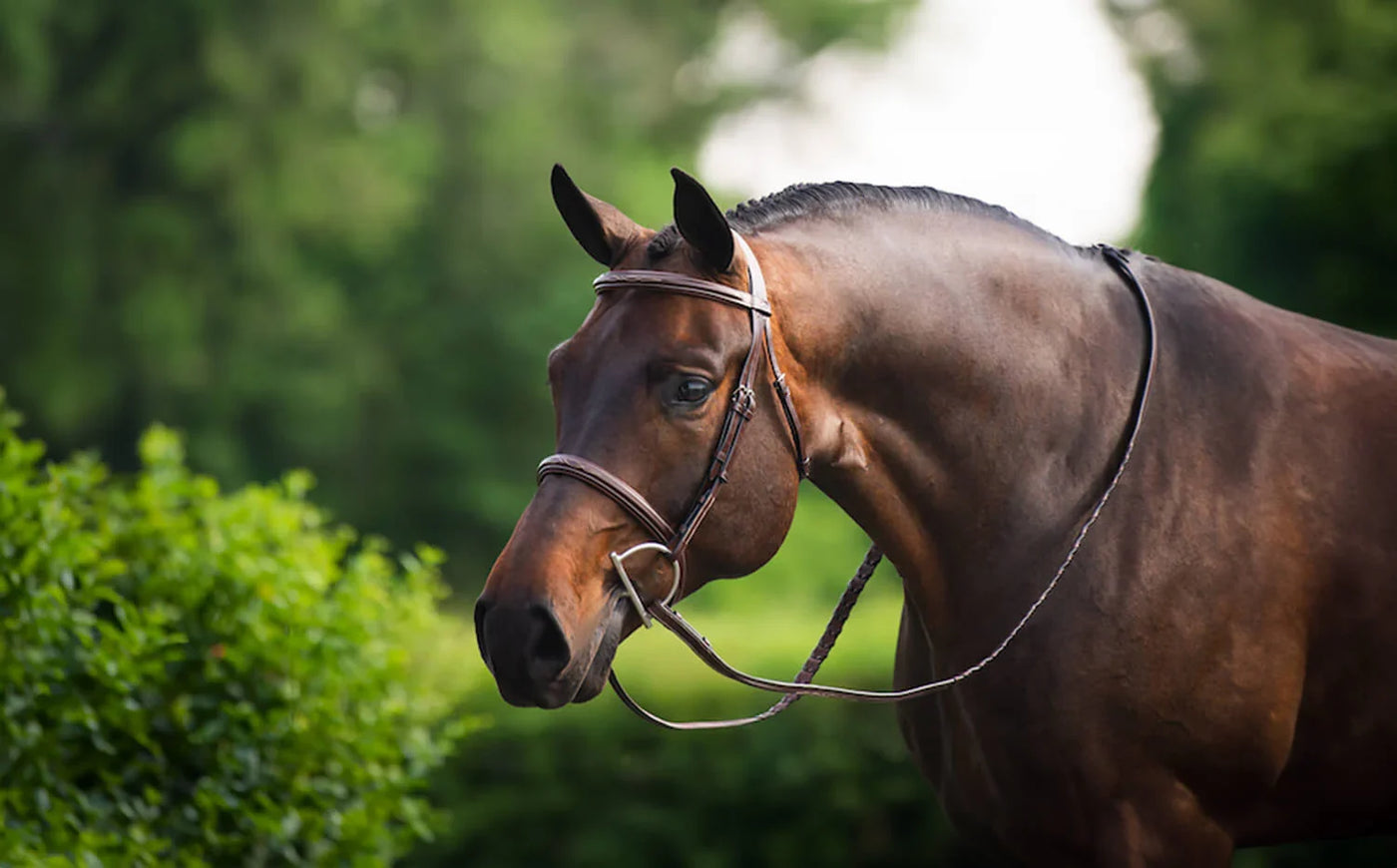
The cavesson is becoming increasingly popular in the equestrian world. Here, the lunge line is attached to a fixed ring on the noseband, which protects the horse’s sensitive mouth. The cavesson is therefore a good alternative to classic lungeing with a bit.
Draw reins – yes or no?
Should I lunge my horse with or without draw reins? Another topic that sparks discussion in the horse world. Some say lungeing can only be effective and beneficial for the horse if the forward-downward movement is guided by draw reins such as triangle reins, while others are strictly against interfering with the horse’s natural movement.
Basically, the horse’s poll-nose line should always be in front of the vertical when a training aid is buckled on. Especially with young four-legged friends, you should buckle them longer so they can better balance themselves. For horses that have trouble stretching forward-downward, hollowing their back, or throwing their head up, training aids can be helpful.
Our #LUNGEINGHACKS
The following tips and tricks can help you work your horse successfully on the lunge line.
Okay, let’s lunge!
There is much more behind lungeing than just a comfortable rider. Many muscle-building exercises and aids can be learned and refined on the lunge line, which supports your horse in further developing its training level while riding. So, out of your boots and onto the lunge lines! :)