Fly Protection for Horses – Fly Traps, Leg Wraps & More
As soon as the first warm days arrive, it begins: flies, horseflies, and mosquitoes make life difficult for your horse. This is precisely where proper fly protection for your horse comes in – and it starts where sprays and blankets leave off. In this category, you'll find other fly protection products that ensure peace and quiet in the stable, riding arena, and pasture.
Fly Traps for Stables, Riding Arenas, and Pastures
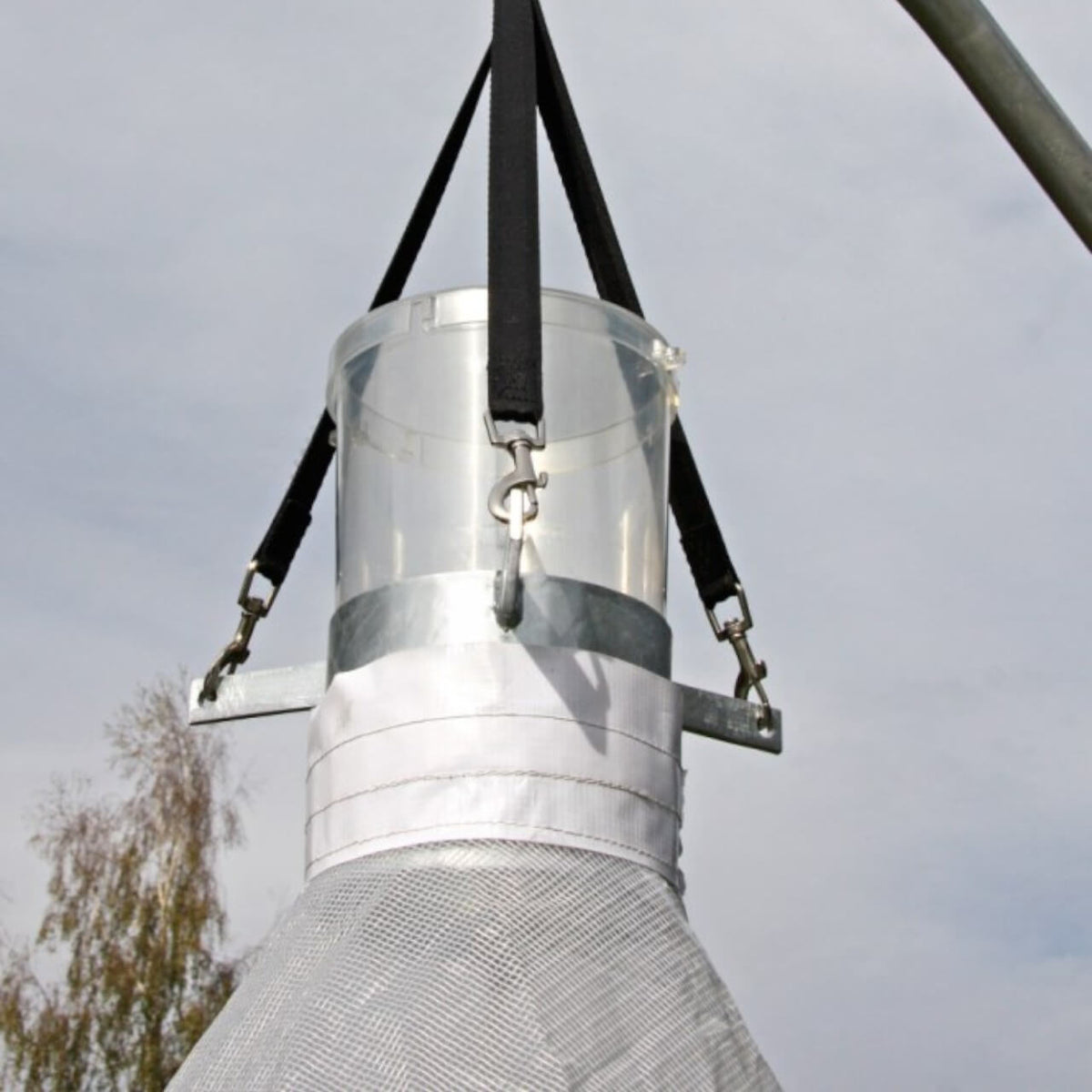
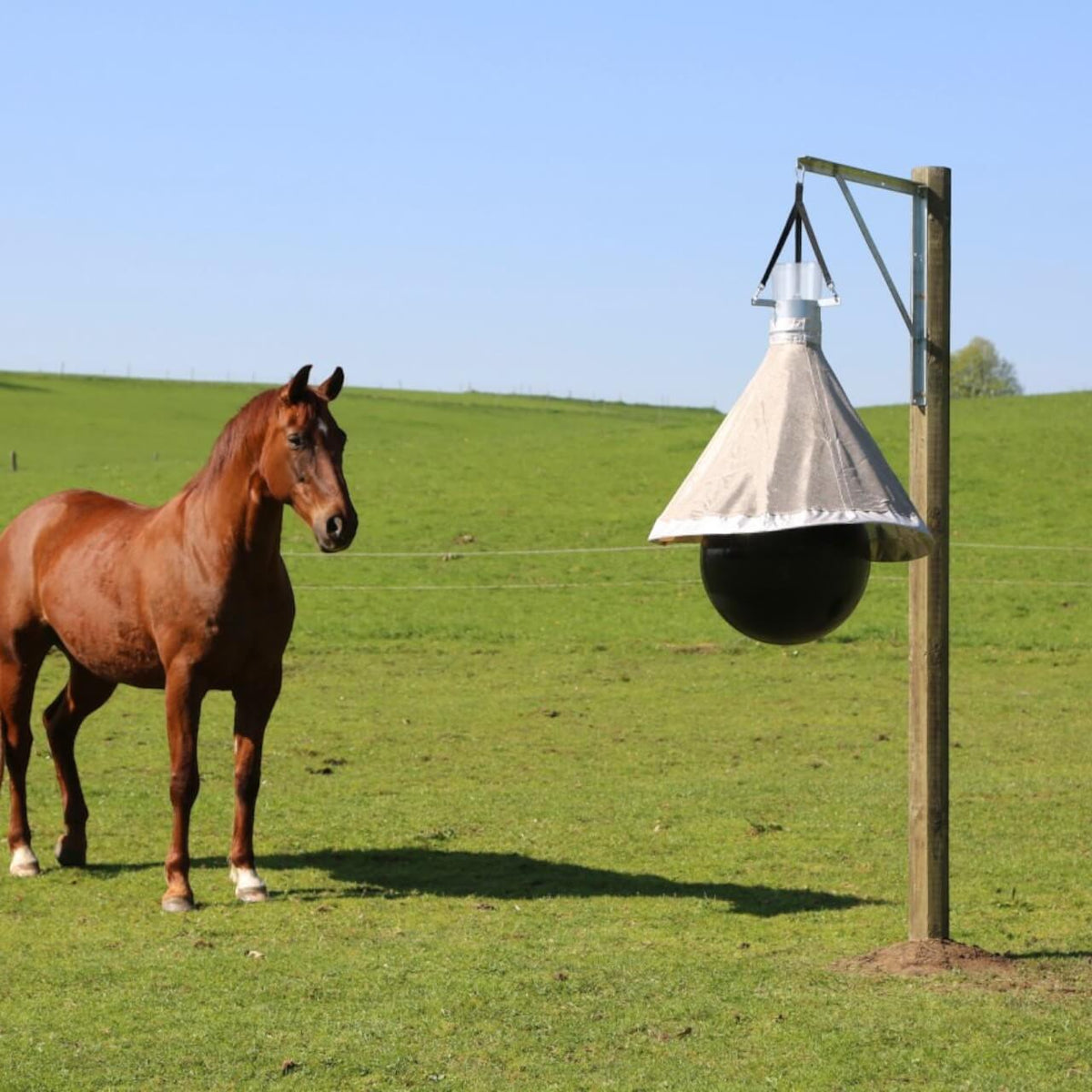
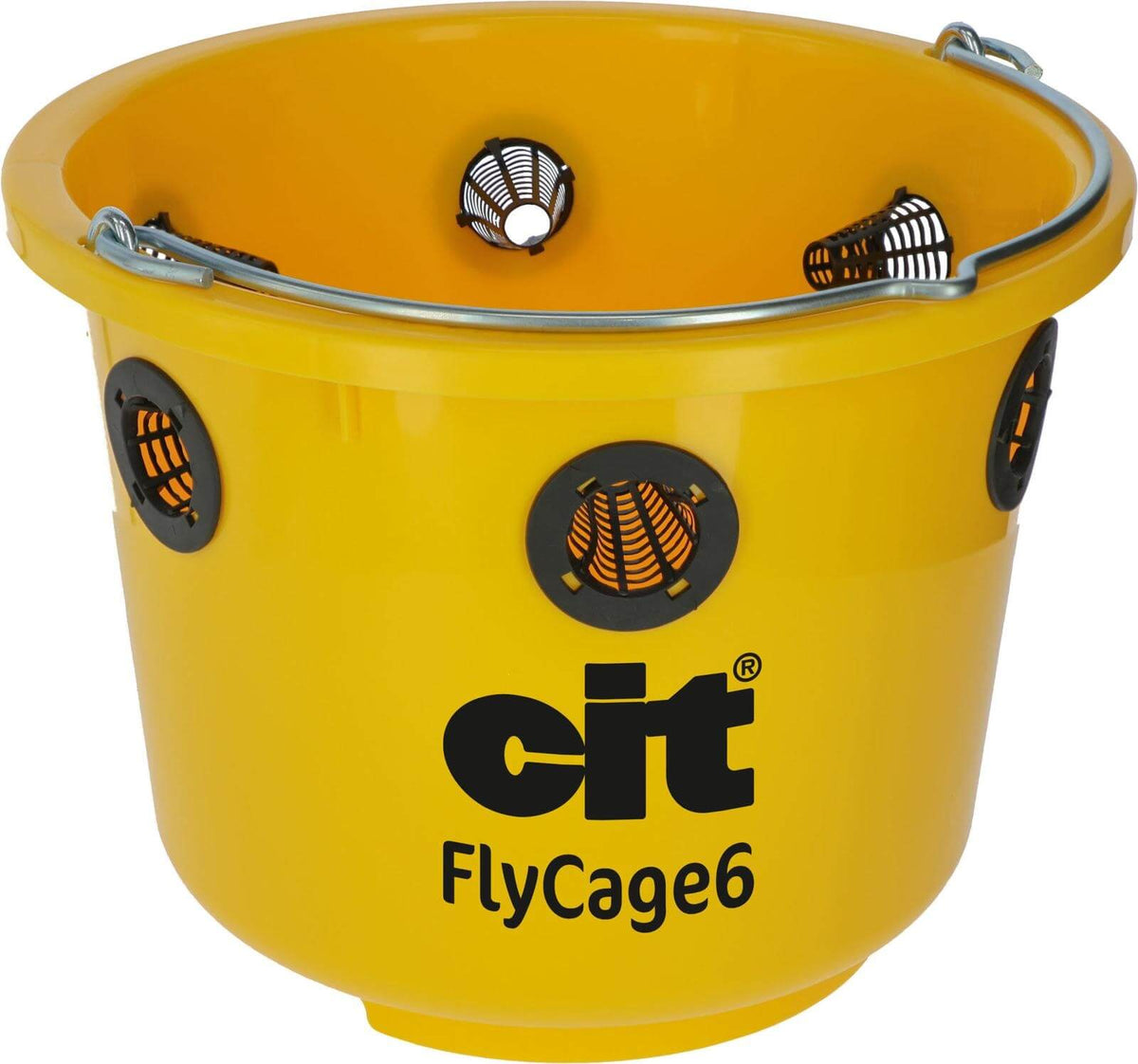
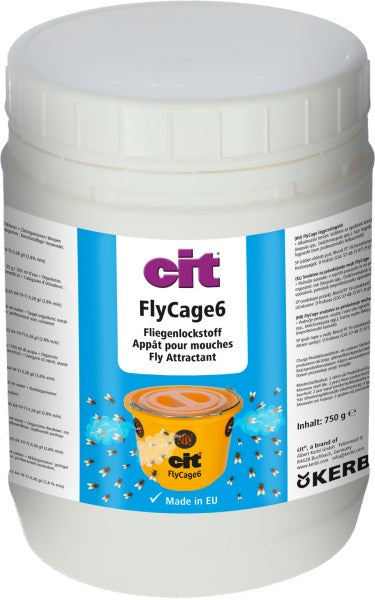
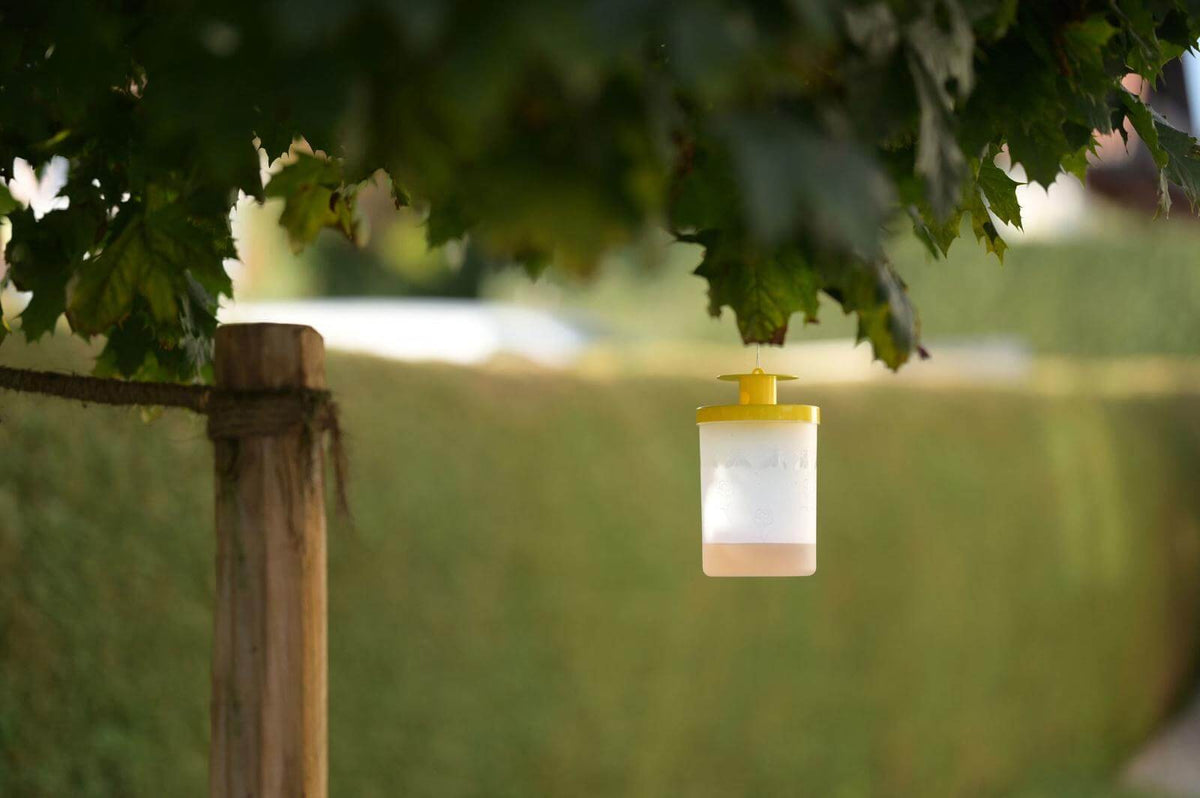
Setting up an effective horse-friendly fly trap is often more effective than you might think. It specifically attracts insects, catches them, and noticeably reduces the pressure – without you having to constantly spray your horse. You have a choice between biological attractant traps, pheromone traps, and chemical variants for stubborn cases.
For the stable, hanging traps above stalls and feed aisles are suitable. In the riding arena and pasture, larger attractant traps do the work, often with an effective radius of 5–10 meters. If you want to avoid chemicals completely, opt for models like the BREMSENBREMSE (Horsefly Brake) or solutions from Ecobusters – both work purely mechanically using attractants and UV optics.
Fly Leg Wraps: Protection for Legs and Coronet Band
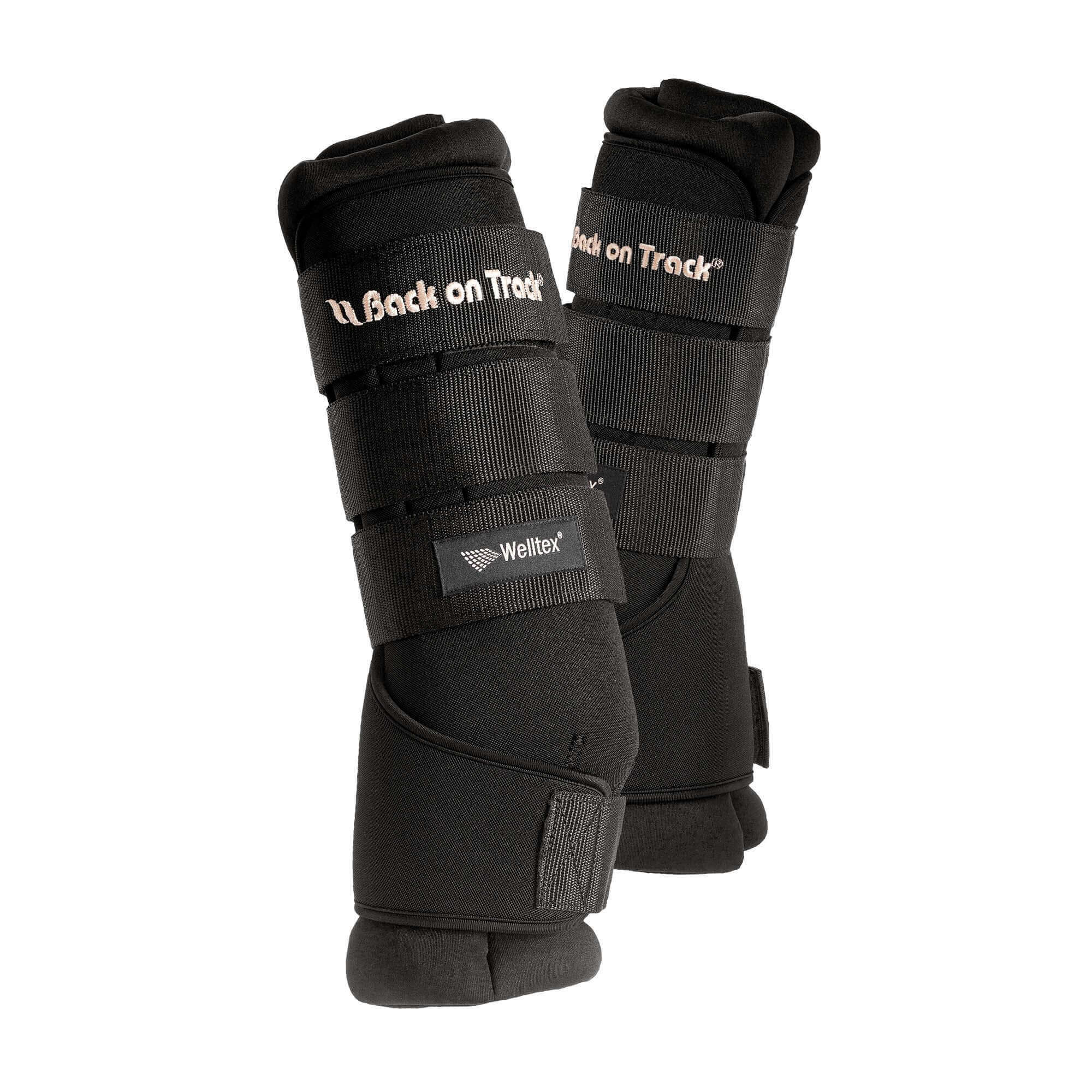
While you're at the grooming area or your horse is dozing in the pasture, its legs are a favorite target for horseflies. Fly leg wraps made of fine mesh fabric loosely fit around the cannon bone and fetlock joint, allow air circulation, and reliably keep biting insects out. A suitable insect repellentfor the head and body completes the concept.
When purchasing, pay attention to the fit and breathable material – nothing is more annoying than slipping leg wraps in the middle of the paddock. Brands like Waldhausen, BUSSE, KERBL, and other manufacturers offer different sizes and cuts, so ponies and large horses are also well-cared for.
Biological or Chemical – What Suits You?
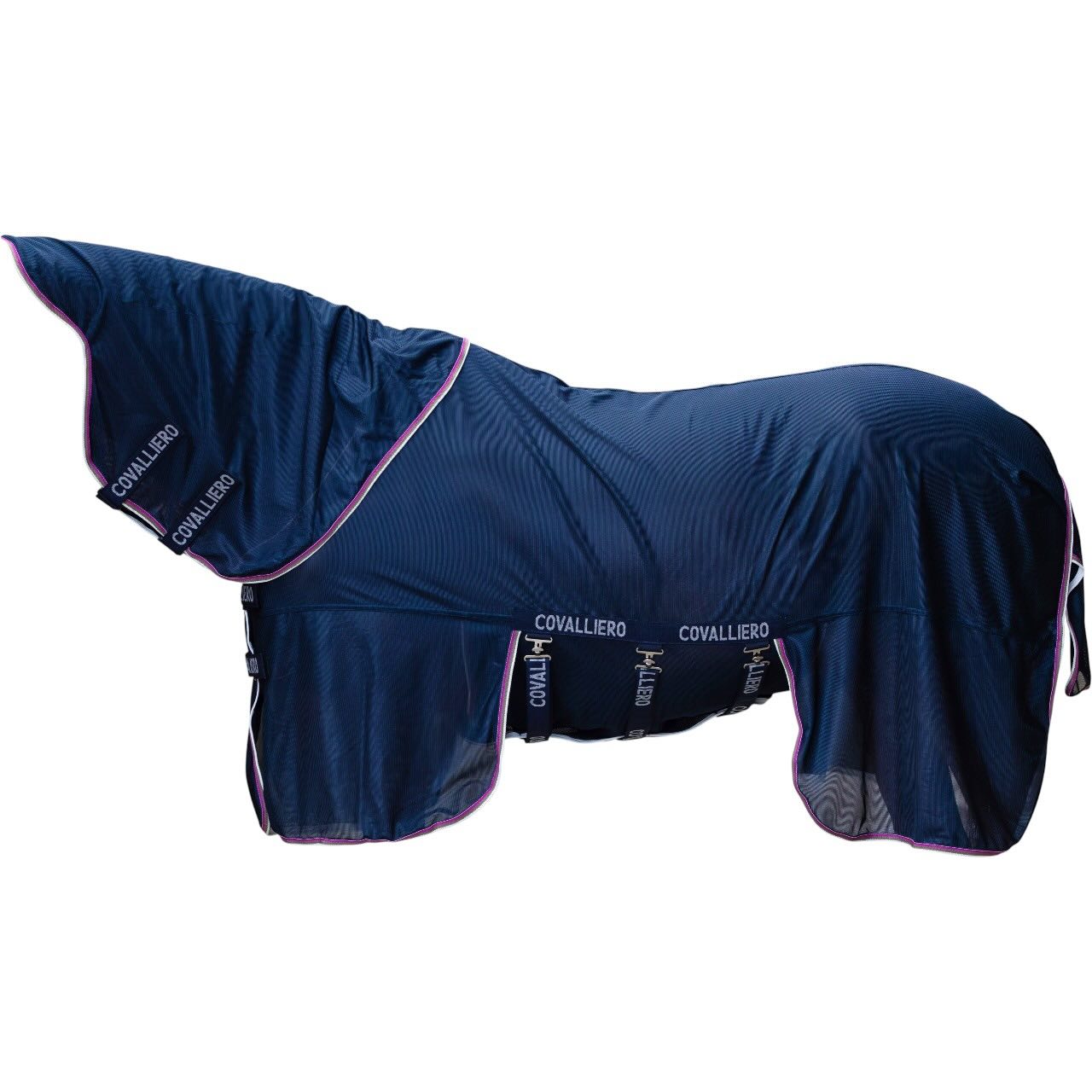
There's no universally correct answer. Biological fly traps are a hit with sensitive horses, in eczema-prone stalls, and anywhere where people, dogs, and cats also live in the stable. Chemical variants work faster when the infestation gets really severe. Many riders combine both: an attractant trap outside, a sticky trap inside, plus fly sheetsand a fly maskdirectly on the horse.
What to Look for in Fly Protection for Horses
- Consider the application area:Stable traps are designed differently from pasture traps
- Check safety:no toxic attractants within reach of horses and dogs
- Inspect material:Leg wraps must be breathable and rub-free
- Change regularly:Full traps quickly lose their effectiveness
- Think combination:Trap + leg wrap + blanket provides the best all-round package
Frequent Questions about Fly Protection for Horses
Which fly trap is best for the stable?
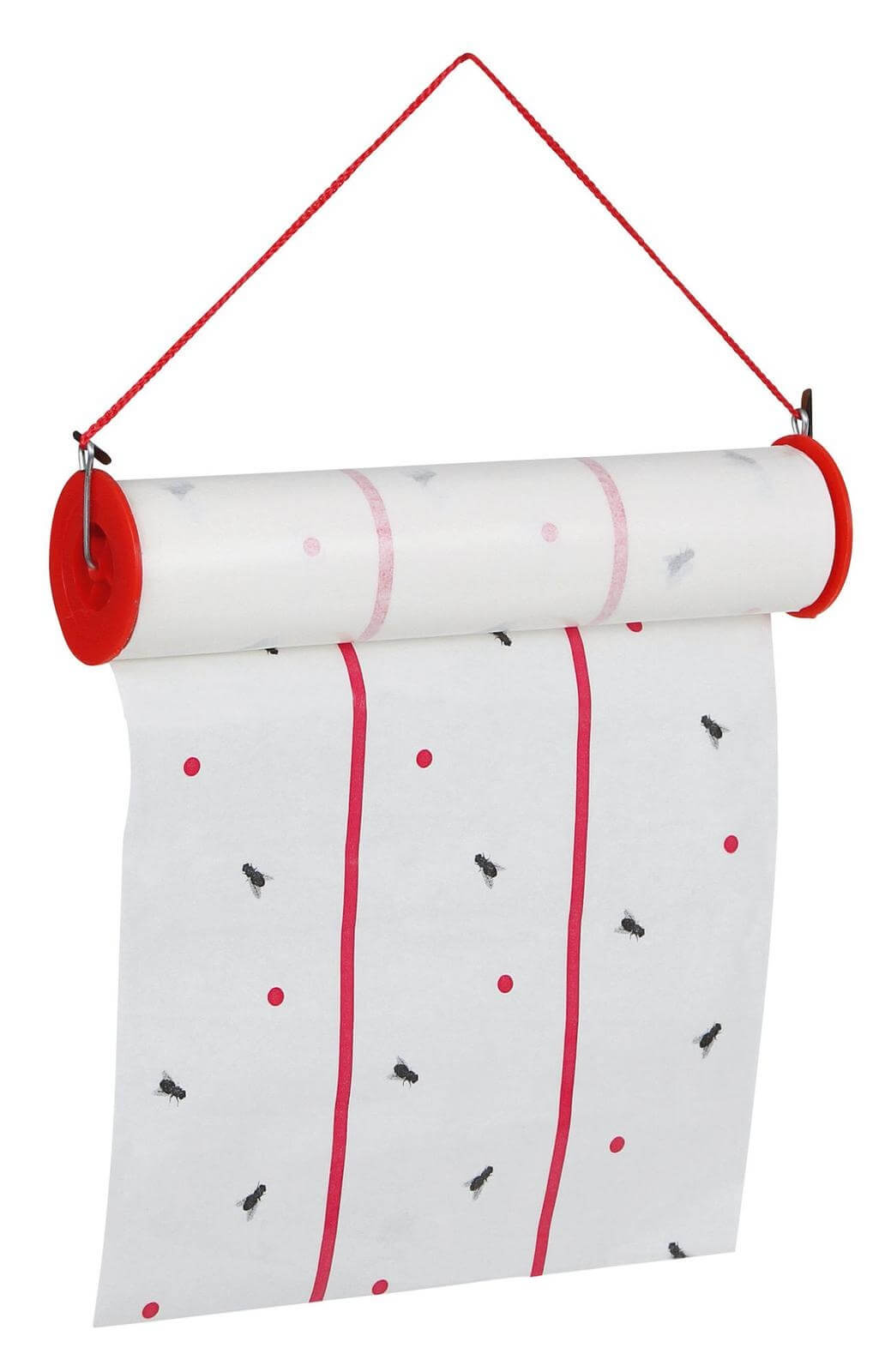
For enclosed stables, sticky traps and hanging attractant traps work best. They don't require electricity, are inexpensive, and can be quickly replaced when full.
Do fly leg wraps really help against horseflies?
Yes – horseflies cannot penetrate the fine mesh. The correct fit is important: too loose, they will slip; too tight, they will chafe the fetlock joint.
What can I do against flies on my horse without chemicals?
Biological fly traps with plant-based attractants, mechanical horsefly traps, and close-meshed leg wraps are a good chemical-free combination. Additionally, diluted essential oils can help.
How often do I need to change a fly trap?
That depends on the model. Sticky traps usually every 2–4 weeks, attractant traps roughly every 4–8 weeks depending on the fill level. Just check regularly – a full trap catches nothing more.
Are fly traps dangerous for horses?
If you hang them out of reach and don't leave attractants exposed, they are unproblematic. Look for child-safe and animal-friendly models, especially if dogs are in the stable.
You might also be interested in
Whether you want to protect your horse in stall boarding, an open stable, or on summer pasture – with the right fly protection for your horse, you'll have the plague under control. Browse our assortment, combine cleverly, and treat your horse to a relaxed summer.