Why is proper grazing important at all?
During the winter, most horses are fed only roughage alongside mineral feed. Compared to grass, hay has a much lower moisture content and is digested more quickly by the horse. Grass is overall more nutrient-rich and ferments faster. If you switch too quickly from hay to a large amount of grass, it can have significant consequences for the horse’s system. The bacteria in the horse’s stomach and intestines need time to adjust to the different structures and get used to the feed change.
Additionally, especially during the grazing months from March to May, grass can often have a high fructan content. This can also be stressful for the horse’s system. Fructan can only be digested in the horse’s stomach up to a certain amount. Undigested carbohydrates can damage the sensitive gut flora and strain the large intestine. This can produce gases and toxins that weaken the overall immune system. It can also lead to metabolic diseases like Cushing’s or EMS.
However, the fructan content can be dangerous not only during grazing but should be considered throughout the entire grazing season. Factors that can promote an increase in fructan content in grass include temperature, water availability, and light conditions. Fructan content is particularly high when it is warm and sunny during the day but still frosts at night. A rather low fructan content occurs in warm weather with overcast skies or rain.
To avoid health consequences and to keep your horse healthy and lively while enjoying the pasture, you should have a good plan for grazing.
How to graze properly
It’s best to start with only 5 minutes a day. You can simply keep your horse on a lead rope so you can easily control the time. Within 2 weeks, you can increase to a total of 30 minutes. We have created a good schedule here for you to follow.
It’s especially good if you provide your horse with enough roughage before going out to pasture. This helps prevent overeating and fills the sensitive stomach with more easily digestible roughage. It’s also important that your horse always has access to fresh water.
What else you should pay attention to
The first turnout and the beautiful spring weather bring especially good moods and lots of energy to most horses, which quickly leads to wild galloping and bucking. To protect your horse optimally, you can also consider some external factors. Put Brushing Boots and hoof bells on your four-legged friend to prevent unwanted tendon or hoof injuries.
Protection from flies and insects is also beneficial so your horse can fully enjoy the time on the pasture. We have a large selection of Fly Masks and Fly Rugs, so feel free to check out the shop to be well prepared and equipped for the summer season.
Additionally, various Fly Repellents can work wonders and free your horse from all annoying flying insects, as can the fly trap from Ecobusters. The fly trap is an environmentally friendly and efficient solution that clears the pasture of flies while leaving birds and bees undisturbed. The effective attractant technology remains active for up to 60 days.
How you can support your horse
Besides protection from flies and injuries, you can also support your four-legged friend from the inside. Choose the right Feed Supplements that support digestion and metabolism. Ingredients like chamomile and fennel have anti-inflammatory and antispasmodic effects and promote gut health. Peppermint and dandelion can also soothe the stomach and positively affect the horse’s overall well-being. Supportive Feed Supplements for metabolism can also be beneficial. It’s important to pay attention to your horse’s specific needs and not to overdo it.
Recognizing risks
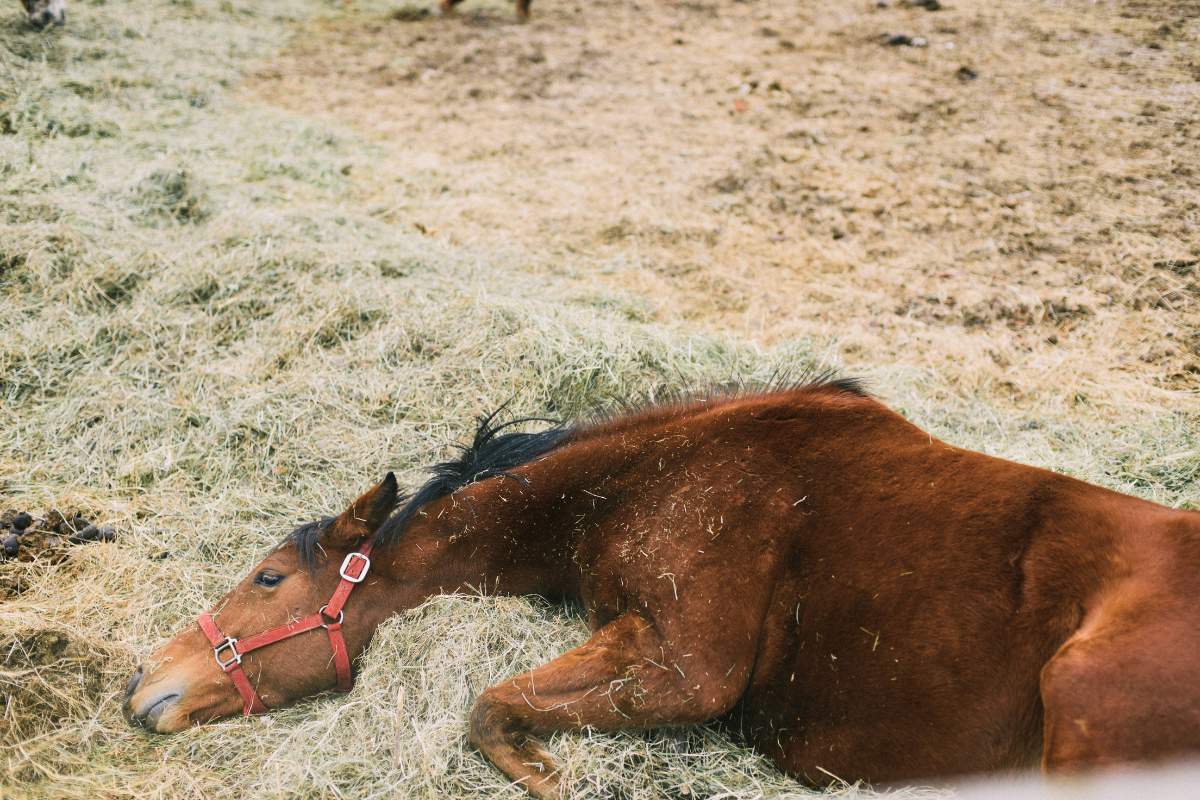
Overall, it’s important to observe your horse closely, especially during the grazing period, to detect signs of discomfort or behavioral changes early. Diarrhea and watery manure, as well as signs of colic such as frequent lying down and rolling, or signs of laminitis such as excessive weight shifting, warm hooves, or lameness, should be taken seriously and addressed promptly to avoid worse consequences. If necessary, you should reduce grazing time and have the symptoms checked by a veterinarian.
If you start the grazing season thoughtfully and attentively, nothing will stand in the way of joyful frolicking in the meadow. Now you are definitely well prepared and can fully look forward to the upcoming summer season!